

Key Takeaways
-
Structural design protects products during shipping and prevents damage.
-
Heavier packaging increases perceived value and creates a premium unboxing experience.
-
Smart structural design reduces material use and lowers shipping costs.
-
Custom inserts for wine, jewelry, watches, and tea ensure a perfect fit and protection.
-
Working with structural design experts ensures quality and saves time and money.
Packaging structural design for protection and experience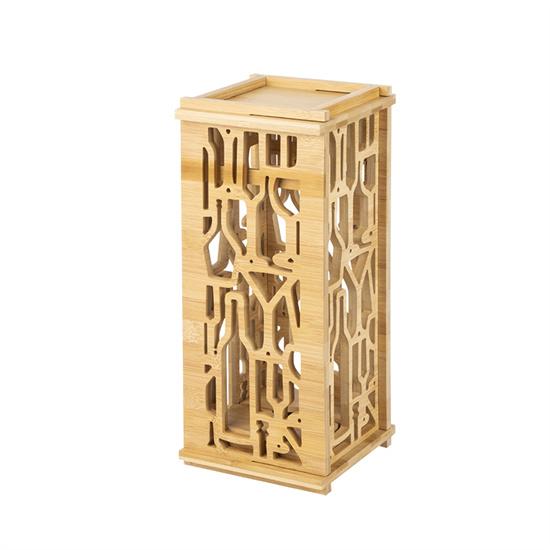
Ensuring product safety and zero-damage delivery
The form and mechanics of a package directly prevent damage during shipping and handling. For wine and spirits packaging, a carrier with a stable base and supportive walls keeps the bottle from tilting or collapsing during movement. Interior padding absorbs small jolts from walking, braking, or setting the carrier down. A snug, tailored fit prevents the bottle from shifting inside the compartment, which is where labels get scuffed and glass takes impact. When bottles are not held firmly in place, motion and vibration cause liquid to move repeatedly against the closure, forcing corks, gaskets, and screw-cap seals to work harder to maintain their seal. Tight packing density and reduced spacing limit this movement, while insulation stabilizes temperature and reduces the pressure fluctuations that stress closures.
For jewelry packaging, a Multi-Compartment Jewelry Box with padded inserts holds delicate pieces securely while keeping different items organized. Watch packaging relies on precise cutouts and foam or EVA inserts that cradle the watch with strong positioning and effective shock absorption. Tea packaging demands airtight seals that protect leaves from moisture and odor transfer. Structural packaging design is not a downstream detail; it is where cost, sustainability, and retail performance either reinforce each other or conflict.
Unboxing experience through weight and balance
Weight and balance shape how your customer perceives value before they even see the product. The brain equates weight with substance. You can add weight through thicker board, metal hinges, and weighted base inserts. These elements add perceived price rather than cost.
The layered reveal structure of a well-designed unboxing experience is essentially a dopamine delivery system. Each layer—the outer mailer, the tissue paper, the box, the pouch, the piece itself—is a small reward that primes the brain for the next one. A two-piece box with a separate lid creates a more deliberate reveal moment than a hinged clamshell. A velvet or suede insert holds the piece securely and adds a tactile layer. Magnetic closures add a controlled, satisfying open. Drawer pulls create a sliding reveal that unveils contents gradually. Lift-off lids force a two-step opening, building anticipation. Small adjustments in magnetic tension or lid resistance transform the experience into a premium, measured reveal. This is how packaging structural design elevates the user experience from mere transaction to memorable ritual.
Structural packaging design reduces costs and waste
Optimizing material usage for cost and waste reduction
Thoughtful geometry and smart material choices lower shipping weight, minimize breakage, and cut packaging waste. You can tailor packaging to fit products precisely, eliminating void fillers that add cost and bulk. Strategic folding patterns and the right corrugated flute profile, such as B or C-flute, add strength without extra material. Optimized die-line layouts maximize material yield and minimize production waste. Lightweight materials with targeted reinforcements, like handle patches and bottom boards, ensure durability without excess.
Through smart engineering, you can reduce material use without compromising protection. In jewelry packaging, structural design optimization—specifically tailoring dimensions so the jewelry fits snugly—can reduce material waste. A well-designed paperboard cavity can protect as well as a thick foam block. Prioritize material efficiency: minimize insert mass and complexity without reducing performance. Avoid over-engineering. Inserts should serve their exact purpose, no more, no less. This approach also supports recyclable packaging goals and lowers environmental impact.
Mitigating risk with structural integrity
Compression testing assesses whether a shipping configuration can endure loads from stacking, storage, and transport. Key variables include case strength, stack height, duration, pallet configuration, load sharing, humidity, and whether the package or the product bears the structural load. ASTM D642-25 is the current active standard for determining compressive resistance of shipping containers, components, and unit loads. Testing must mirror the actual configuration being qualified; a single case test differs from a palletized unit load evaluation.
|
Aspect |
Details |
|---|---|
|
Strength metrics |
Edge Crush Test (ECT) and Burst Strength (Mullen test) |
|
Baseline requirement |
At least 32 ECT or 175 psi burst strength for single-wall boxes |
|
Safety factor |
Design box to support 1.5 to 2 times the total filled package weight |
|
Real-world simulation tests |
Drop tests from various heights, vibration tests to mimic truck transport, stacking compression tests for warehouse performance |
All wine packaging undergoes rigorous testing simulating real-world shipping conditions. We conduct drop tests, vibration testing, and compression analysis to validate that bottles survive the demanding e-commerce supply chain from warehouse to doorstep.
Corrugated fiberboard can lose compression strength under high humidity, while polymer materials may become brittle at low temperatures or softer when warm. Environmental conditioning is often required before vibration, compression, drop, or other mechanical tests. Properly designed packaging reduces packing time, minimizes shipping costs, and improves stacking and storage efficiency.
Structural design process for premium goods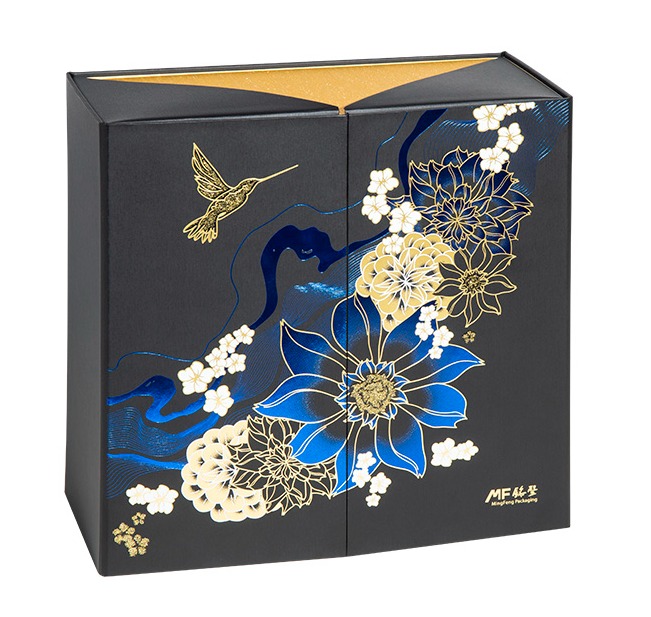
Custom inserts for wine, spirits, jewelry, watches, and tea
Every product category demands its own insert geometry. You start with the product's weight, center of gravity, and fragile points. Then you build the cavity around them.
For Wine & Spirits Packaging Box, polyethylene foam inserts deliver firm, rigid shock absorption for heavy bottles. Cross-linked PE foam gives a high-end finish and resists moisture, which suits luxury wine packaging. One premium wine distributor switched from cardboard dividers to custom PE foam inserts and achieved a 98% reduction in breakage during international shipping. Sustainable material innovations now shape this work too. Lightweighting technology reduces bottle weight without compromising structural integrity. Advanced glass composition and finite element analysis optimize the design. Lighter bottles lower shipping costs and carbon footprint while maintaining a premium feel.
For Jewelry Packaging, velvet-lined inserts hold necklaces without tangling. You keep the velvet smooth to avoid fibers, wrinkles, or seams that catch fine chains. The structural core beneath the velvet, whether foam or paperboard, provides precise slots, cavities, and support points. You design three functional zones: upper chain control, pendant positioning, and excess chain storage. Multiple control points at the pendant, clasp, and hidden chain prevent large loops from crossing. You test the packed box upright, flat, on its side, and upside down to verify the necklace stays untangled.
For Watch Packaging, precise cutouts and EVA inserts cradle the timepiece. For Tea Packaging, Custom Printed Paper Tea Boxes provide a practical and visually appealing solution, while multi-compartment inserts keep each bag separate and organized. Inner insert materials include EVA foam, velvet, paperboard trays, molded pulp, and custom die-cut inserts. Compartment counts can be customized to match the gift set layout.
Tea bag boxes should have compartments or dividers to keep each bag separate while providing easy access for customers. Additionally, consider incorporating unique features like windows or compartments to enhance visual appeal and convenience.
Working with structural design experts
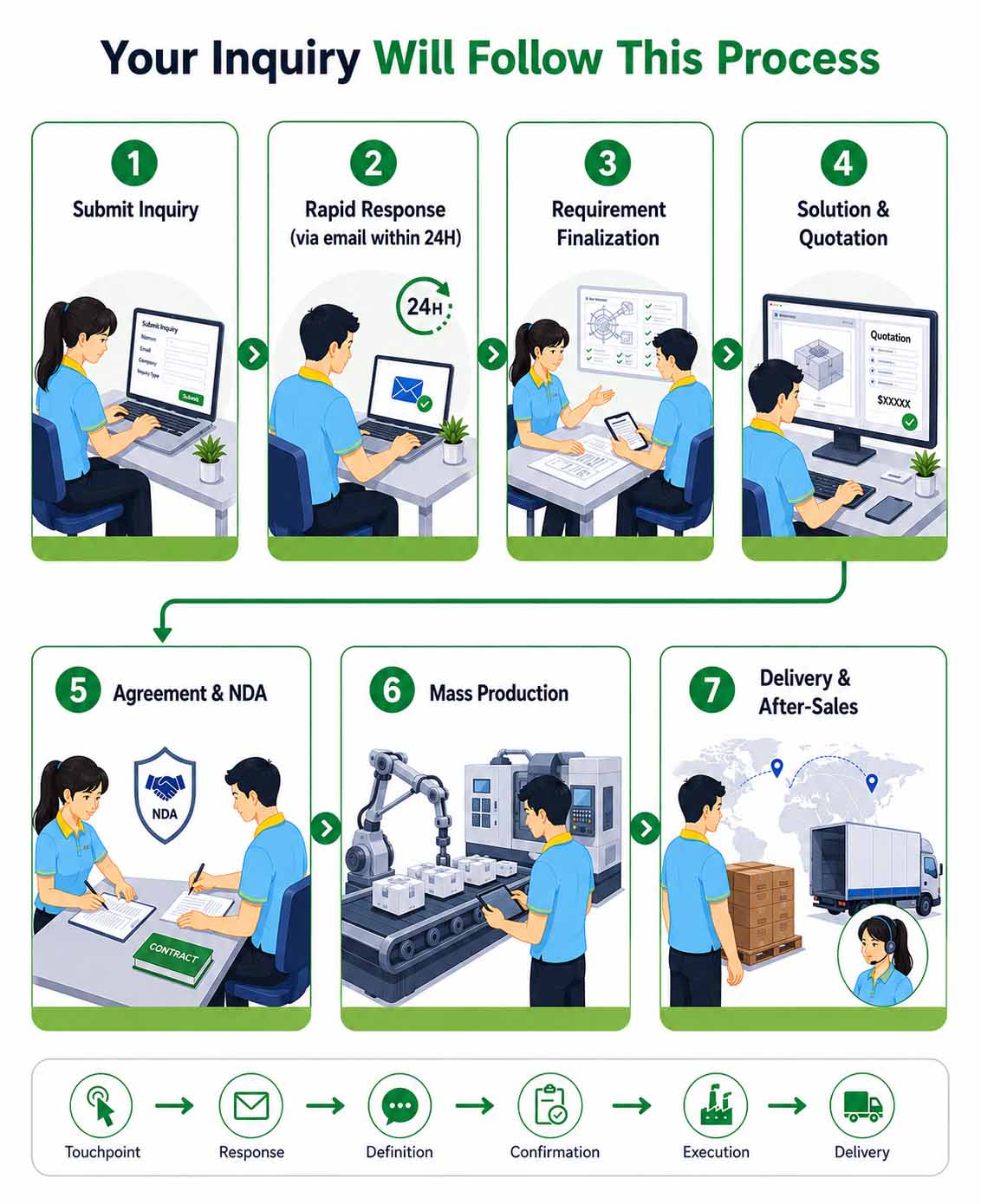
A disciplined structural design process moves through clear stages. First, customer consultation and package engineering begin with understanding brand aesthetics and engineering constraints. Second, cost analysis and prototyping evaluate materials, structure, and design for feasibility. Third, proofing and sampling verify color accuracy and structural integrity before production. Fourth, approval and production ensure the final solution meets both brand goals and quality standards.
MingFengpack specializes in custom structural design for wine, jewelry, watches, and tea, combining engineering precision with brand aesthetics. The team uses professional mold design software (UG, Pro/E) to create 3D models from design drawings and dimensional requirements. The modeling accounts for structural characteristics, demolding methods, gate positions, and cooling systems. Dimensional tolerances for cavities and cores are controlled within ±0.01mm, which directly contributes to a perfect fit and reliable protection. Before printing, MingFengpack provides a 3D proof for customer approval. This step lets you verify logo placement, colors, and all details, ensuring the design matches expectations and the final box delivers the intended fit and protection.
Early collaboration between your print and packaging supplier and your design agency is one of the strongest predictors of a successful outcome. Prototyping lets you evaluate design, structure, materials, and functionality before production, which reduces costly revisions. This is how structural packaging design turns brand vision into a producible, protective reality.
Structural design is a strategic investment, not an afterthought. For wine, jewelry, watches, and tea, the physical structure of the package protects the product, lowers costs, and creates a memorable unboxing journey. You should evaluate your current packaging from a structural perspective today. Ask whether your inserts hold firm, your materials cut waste, and your unboxing moment feels premium. MingFengpack can help you turn those questions into engineered answers. The best packaging is invisible in its function but unforgettable in its experience—and that begins with structure.
FAQ
What makes packaging structural design different from graphic design?
Graphic design handles what buyers see on the surface. Structural design handles how the package holds, protects, and presents the product. You can print a beautiful label on a weak box. That box still fails in transit. Structure decides whether the item survives shipping and whether the unboxing moment feels premium.
How do you choose the right insert for Wine & Spirits Packaging?
You start with bottle weight, center of gravity, and fragile points. Polyethylene foam inserts give firm shock absorption for heavy bottles. Cross-linked PE foam resists moisture and delivers a high-end finish. One distributor cut breakage by 98% after switching from cardboard dividers to custom PE foam inserts.
Why does Jewelry Packaging need padded inserts?
Fine chains tangle, stones shift, and metal scratches when a piece moves freely. Padded inserts hold each item in a fixed position. Velvet-lined cavities keep necklaces untangled. You test the packed box upright, flat, on its side, and upside down to confirm the piece stays secure.
What tolerances matter most in Watch Packaging?
Precise cutouts and EVA inserts cradle the timepiece. MingFengpack controls cavity and core tolerances within ±0.01mm for a perfect fit.
How does Tea Packaging protect freshness?
Tea leaves absorb moisture and odors easily. Airtight seals block both. Multi-compartment inserts keep each bag separate and easy to access. You can add windows or dividers to enhance visual appeal. Structural choices here protect flavor and extend shelf life.

 +1 626 369 5099


 IPv6 network supported