leave a message
If you are interested in our products and want to know more details,please leave a message here,we will reply you as soon as we can.
Rigid box packaging is widely used for premium gifts, cosmetics, perfume, jewelry, watches, and specialty products. Unlike ordinary folding cartons, rigid boxes are built around a thick paperboard structure that helps the box retain its shape and creates a more substantial feel. For brands, the right design needs to do more than look attractive. It should protect the product, fit the brand identity, support efficient packing, and provide a consistent customer experience.
When planning a custom rigid gift box, buyers need to consider several connected decisions: the board material, box structure, internal insert, and surface finish. Each choice affects the appearance, function, production cost, and delivery requirements. This guide explains the main options and what B2B buyers should discuss with a packaging manufacturer before approving a sample.
Rigid box packaging uses a thick paperboard core, often wrapped with printed paper, specialty paper, fabric, or other decorative materials. The board provides the main structure, while the outer wrap and interior components determine much of the final appearance and product presentation.
These boxes are commonly selected for products that need a premium presentation, such as perfume, skincare sets, jewelry, watches, tea gifts, and corporate gifts. They can also accommodate custom inserts, magnetic closures, ribbons, and distinctive opening mechanisms.
Compared with standard folding cartons, rigid boxes generally retain their shape better and create a more substantial unboxing experience. However, they may require more materials, assembly work, and shipping space. Buyers should weigh these factors against product value, presentation requirements, and the intended distribution channel.
For different paper-based packaging options, explore custom gift boxes from MingFeng.
Material selection affects the strength, surface texture, weight, and overall cost of a rigid box. The best combination depends on the product being packed and the appearance the brand wants to achieve.
Greyboard or chipboard: This is commonly used as the structural core of rigid boxes. Its thickness and density influence how solid the finished box feels. The appropriate specification depends on the box dimensions, product weight, and construction.
Coated paper: Coated paper provides a smooth surface for printed graphics, product information, and brand colors. It can be suitable for designs that rely on clear images or consistent color reproduction.
Specialty paper: Textured, metallic, embossed, or colored paper can add visual interest without requiring an elaborate printed design. It is often used for premium perfume packaging, jewelry boxes, and gift collections.
Fabric and faux suede: These materials create a softer tactile finish. They may be suitable for luxury products where the surface feel is an important part of the presentation.
For example, MingFeng's black velvet perfume box combines a rigid paper structure with a faux-suede exterior and an EVA and satin interior. This illustrates how the exterior material and internal lining can work together to create a consistent packaging concept.
Before choosing a material, ask the manufacturer to confirm the available specifications, sample options, finish compatibility, and any requirements related to product protection or transportation.
The box structure determines how the package opens, how the product is accessed, and how the contents are presented. A familiar structure may be practical for everyday premium packaging, while a more elaborate opening mechanism can help a gift set stand out.
Two-piece rigid boxes: These generally consist of a base and a separate lid. They offer a straightforward, classic appearance and can work well for gifts, accessories, and retail products.
Magnetic closure boxes: These use concealed magnets to hold the lid closed. They are often selected for perfume, cosmetics, and gift sets where a smooth opening and closing action matters.
Drawer boxes: A sliding inner tray creates a different opening experience and can be useful for jewelry, small accessories, and carefully arranged gift items.
Book-style boxes: These open like a book and can include a hinged cover, custom insert, or magnetic closure. They provide a broad surface for branding and product presentation.
Multi-compartment and specialty structures: These are designed around product sets, multiple components, or a particular presentation concept. They may need more structural development and sample testing.
For example, MingFeng's two-door jewelry box features a distinctive opening mechanism that lifts the interior display area as the doors open. This type of design can make the unboxing experience more memorable, but the mechanism should be tested for reliable operation before mass production.
The insert is one of the most important parts of a rigid box because it determines how the product sits inside the package. Even a well-finished exterior can feel poorly designed if the contents move around, sit unevenly, or are difficult to remove.
EVA foam: EVA can be cut to fit specific product shapes. It is often used for perfume bottles, watches, electronics accessories, and other products that require a shaped support.
Paperboard inserts: Folded or layered paperboard inserts can create compartments and support lighter products. They may also suit brands looking for a paper-based packaging solution.
Velvet, satin, and fabric linings: These materials add a soft interior finish and can improve the presentation of jewelry, watches, and premium gift items.
Multi-compartment trays: These help organize products sold as sets, such as skincare collections, gift assortments, or jewelry combinations.
When developing an insert, provide the actual product dimensions and, where possible, a physical sample. Confirm the clearance around the product, insertion depth, ease of removal, and whether the insert remains in place during handling. For fragile items, test the complete package under realistic packing and transportation conditions.
Finishing gives a rigid box its final visual character. The right technique depends on the artwork, packaging material, brand guidelines, and target price point. More decorative processes do not automatically create a better result; the goal is to select finishes that work together.
Hot foil stamping: Metallic foil can highlight logos, borders, and selected graphic elements. Gold and silver are common choices, while other foil colors may be available depending on the project.
Embossing and debossing: These processes create raised or recessed details, adding texture to a logo or design. They can work well with simple layouts and specialty paper.
Matte or gloss lamination: Matte finishes provide a subdued surface, while gloss creates more reflection. The choice affects both the visual appearance and the way printed graphics are perceived.
Spot UV: Selective UV coating creates contrast between treated and untreated areas. It can draw attention to a logo or specific part of the artwork.
Textured and specialty wraps: These provide visual depth and tactile interest. They are particularly useful when the design relies on material quality rather than extensive printing.
For a luxury rigid gift box, it is often better to prioritize one or two well-executed details than combine too many effects. Ask for a physical sample to check the color, foil appearance, texture, and finish under normal lighting before approving production.
These examples from MingFeng's product range illustrate how rigid and specialty paper packaging can be tailored to different products and presentation requirements.
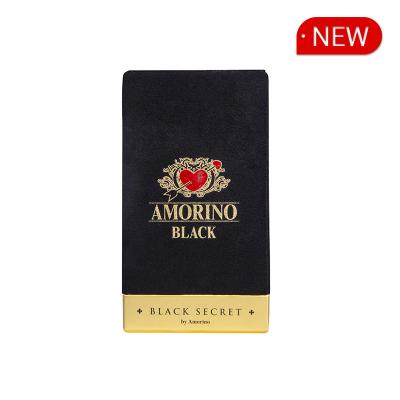
A premium perfume packaging example combining a structured paper box, faux-suede exterior, fitted interior, and magnetic closure. Suitable for brands seeking a refined presentation for fragrance products.

A specialty opening structure that raises the interior display area when opened. This approach can be considered for jewelry gifts and products where presentation is central to the customer experience.
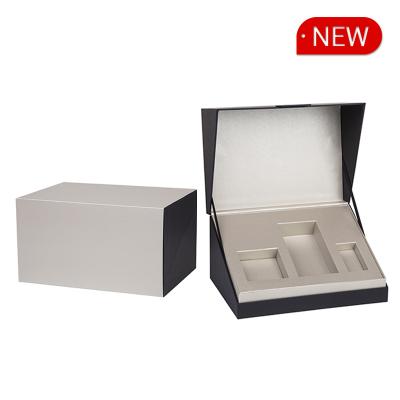
A structured paper box with an angled opening and fitted tray. This type of construction helps organize beauty products while creating a clean, coordinated presentation.
Rigid box cost depends on more than the outer dimensions. Board thickness, wrapping material, insert design, printing, finishing, hardware, assembly labor, order quantity, and shipping volume all affect the final quotation.
For example, a simple rigid box with a paper wrap and standard insert will generally require a different production process from a magnetic box with faux suede, custom-cut EVA, foil stamping, and multiple compartments. The right specification should match the product's value and the packaging budget.
Shipping should also be considered early. Rigid boxes can take up more space than flat-packed folding cartons, which may affect freight costs. Ask the manufacturer how the finished boxes will be packed, protected, and loaded for export.
Brands with sustainability targets can discuss recycled paperboard, responsibly sourced paper, paper-based inserts, and other material options. The suitability of each option depends on the design and product requirements. Environmental claims should be supported by relevant supplier documentation and certifications where applicable.
Before requesting a quotation or approving a production sample, prepare the information the manufacturer needs to evaluate the project:
A physical product sample or accurate drawing can help reduce uncertainty during structural development. Approve the sample only after checking dimensions, closure performance, insert fit, appearance, and practical handling. Confirm the minimum order quantity, sample lead time, bulk-production schedule, and shipping arrangements before placing the final order.
A rigid box uses a thicker structural board and generally retains its shape, creating a substantial feel and premium presentation. A folding carton is typically made from thinner paperboard and can be shipped flat. Rigid boxes suit many premium gifts, cosmetics, and jewelry products, while folding cartons may be more economical for high-volume packaging.
There is no single best material for every project. Greyboard provides structure, while coated paper, specialty paper, fabric, or faux suede can create different exterior finishes. The right choice depends on the product, desired appearance, protection requirements, budget, and production quantity.
Yes. Custom rigid boxes can incorporate printed or stamped logos, specialty wraps, embossing, magnetic closures, ribbons, and fitted inserts. Available options depend on the structure, material, and manufacturing process. Approve a physical sample before mass production to check the complete design.
Yes. Rigid boxes can be designed around perfume bottles, necklaces, rings, watches, and other premium products. A suitable insert helps keep the item in position, while the outer structure and finish support the desired presentation. Fragile products should be tested in the finished package before shipment.
Provide the product dimensions, estimated order quantity, preferred box structure, material, insert requirements, logo artwork, surface finishes, and destination market. Product photos or physical samples can help the manufacturer assess the design. Confirm sample costs, MOQ, production lead time, and delivery arrangements before ordering.
Choosing rigid box packaging involves more than selecting an attractive outer finish. The material must support the structure, the opening mechanism should work reliably, the insert must fit the product, and the surface treatment should match the brand. When these elements are planned together, the result can improve product presentation while meeting practical manufacturing and shipping requirements.
MingFeng provides customized packaging solutions for premium products, including paper gift boxes, perfume packaging, and jewelry boxes. Visit MingFeng Packaging to learn more about its packaging capabilities, or explore its custom gift box range to discuss a project based on your product dimensions, material preferences, insert design, and order quantity.

Mingfeng Packaging(USA)
> 4185 Temple City Blvd,
Unit D,EI Monte,CA91731,USA


 +1 626 369 5099

 IPv6 network supported
