

A ribbon slides free. The lid lifts with a soft resistance. Inside, a Compact Faux-Suede Jewelry Storage Case rests against satin, and the first breath of the box carries a faint, clean scent. That moment does more than protect a product. Jewelry Packaging is a strategic brand tool. It shapes perception, creates emotional bonds, and defines the customer experience. Texture, weight, and design quietly signal quality before a single gem catches the light. Consider one iconic shade:
Tiffany's Robin Egg Blue covers its entire packaging and ranks among the most protected colors in branding, instantly identified with the finest jewelry.
A Multi-Compartment Jewelry Box or a Two-door Opening Paper Jewelry Box can carry that same weight. But how does a simple box wield such influence over a brand's image?
Key Takeaways
-
Packaging creates the first impression. Most buyers judge quality in seconds based on the box.
-
Packaging shows your brand identity. Colors, logos, and materials build trust and perceived value.
-
A great unboxing experience engages the senses. Texture, scent, and personal touches make the moment memorable.
-
Sustainable packaging attracts customers. Many people will pay more for eco-friendly options.
-
Packaging is a smart investment. It can raise sales, reduce returns, and turn buyers into sharers.
Jewelry Packaging and Brand Perception
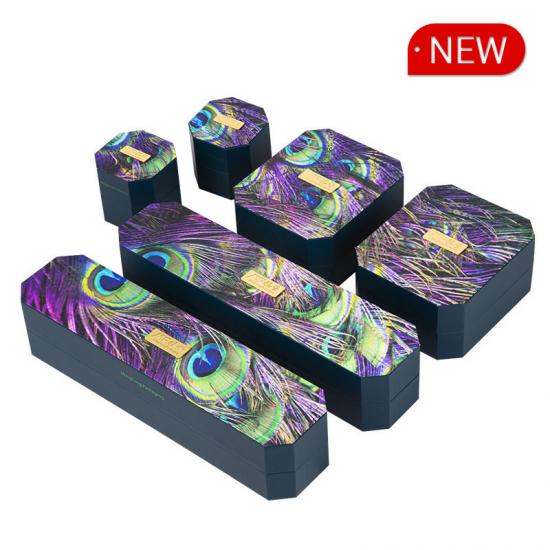
The Power of First Impressions
Buyers form quality judgments in seconds, long before they inspect a clasp or a stone. The box does the talking first.
Weight, texture, finish, and structure each carry a message before the jewelry piece is even seen.
|
Dimension |
How it communicates quality before the product is seen |
|---|---|
|
Weight |
Heavier structural board grammage (minimum 1200g, 1500g for gift sets) delivers a premium hand weight at the moment of handling |
|
Texture |
Soft-touch coatings, micro-textures, blind debossing, and short-pile velvet linings create immediate tactile impressions of luxury |
|
Finish |
Matte soft-touch exteriors with restrained single details read as more sophisticated than loud gloss or foil branding |
|
Structure |
Magnetic closures with a clean snap, ribbon pulls, and two-layer reveals build anticipation and ceremony |
A flimsy plastic bag signals low value. A structured kraft bag with clean printing signals craftsmanship and intentionality. Premium materials such as 120 GSM kraft with post-consumer recycled content communicate durability and care, and that care translates directly into perceived product value. A Multi-Compartment Jewelry Box extends this logic indoors, organizing pieces with the same deliberateness the outer box promises.
Packaging that looks and feels premium raises the perceived value of the jewelry inside, which in turn supports higher price points, greater gifting desirability, and stronger repeat purchase behavior.
Communicating Brand Identity
Color, graphics, logo, and layout do more than decorate a surface. They act as brand-relevant stimuli that establish sensory, affective, and cognitive connections with consumers. Color, graphics, logo, and layout each significantly influenced purchase intention through brand experience mediation. Color showed an indirect effect of 0.134 with a 95% confidence interval of 0.067 to 0.253. Graphics showed an indirect effect of 0.041 with a 95% confidence interval of 0.009 to 0.096.
The practical reading is straightforward. Color evokes specific emotions, with black conveying luxury and green associated with sustainability. Typography carries meaning too: sleek modern fonts suggest innovation, while bold traditional lettering reinforces reliability and heritage. Consistent colors, logo placement, typography, and materials build familiarity and trust, and a stronger brand identity raises the value buyers assign to the jewelry itself. A Compact Faux-Suede Jewelry Storage Case demonstrates the principle at the interior level, where a single material choice reinforces the identity established outside.
Restraint deserves special mention. Minimal layouts, few design elements, and generous white space create a calm, high-end impression. A Two-door Opening Paper Jewelry Box can apply that restraint while adding a functional reveal, so the structure itself becomes part of the brand story. When consumers cannot immediately assess the product, they use packaging as an external cue to judge quality. That cue supports premium pricing and reduces perceived purchasing risk.
The Unboxing Experience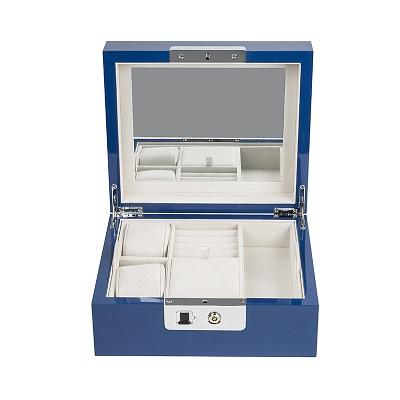
Engaging the Senses
Packaging psychology draws on color, texture, shape, and cognitive fluency to steer buying decisions. Perceptual fluency, the ease and speed of processing visual information, mediates this effect. Easily processed cues generate more positive emotions and preferences, and those preferences drive purchase decisions. The box acts as a silent salesperson, and its design details build trust and loyalty.
Each sense plays a distinct role in the unboxing moment.
|
Sense |
Psychological mechanism in unboxing |
|---|---|
|
Sight |
Color, logos, and print quality set expectations; organized versus careless arrangement signals premium versus cheap, shaping perceived value. |
|
Touch |
Material texture such as soft-touch boxes, crisp tissue, and satin ribbon has a subconscious effect, elevating perceived luxury. |
|
Smell |
Scent acts as a powerful memory trigger; signature scents envelop the customer in the brand's world upon opening. |
The first touch shapes quality perception faster than any other cue. Texture is described as the fastest route to the brain's trust center. Calibrated tactile friction mimics expensive materials such as Nappa leather and high-thread-count silk. A deep, muffled magnetic closure provides final psychological confirmation. Premium paper or leather communicates the brand beyond simply holding the product, and a halo effect raises the perceived value of the jewelry inside. In one case study, a brand called Aura Heritage replaced squeaky, chemical-smelling generic boxes with textured paper, a microfiber insert, and a calibrated closure. Repeat purchases rose from 12% to 28%, returns fell from 5% to 0.5%, and unboxing tags climbed 400%. A Compact Faux-Suede Jewelry Storage Case applies the same principle at the interior level, where soft suede texture greets the hand before the piece does.
Unboxing is not only about opening the box, but also about engaging with the products within—using our hands to feel them, and even down to the sound the unboxing experience makes (e.g., Apple deliberately manufactures the sound heard when opening an iPhone).
Personalization and Shareability
A memorable unboxing experience turns customers into distributors. One study found that 40% of online shoppers would share an image of their purchase on social media if it came in branded packaging. Social media is the modern-day word of mouth, and consumers routinely post unboxing moments on YouTube, Instagram, and TikTok. In e-commerce, the unboxing experience is often the only physical interaction a customer has with a brand, so this tactile touchpoint carries outsized weight for jewelry packaging.
Personalization deepens that connection. A simple note such as "Thanks for your order, Sarah!" adds an emotional layer that transforms a transaction into a memorable experience. Targeted offers, unique discount codes, QR codes linking to related products, and invitations to exclusive events make customers feel seen and valued. Handwritten thank-you notes and interactive inserts generate excitement and drive measurable sharing. Fifty-two percent of customers make repeat purchases after receiving premium packaging, which positions personalization as a scalable way to deepen relationships and boost retention. Personalized packaging is also more likely to be shared, and that organic reach extends the brand's audience at little added cost. Smart jewelry packaging therefore works as both a retention tool and a marketing channel.
Optimizing Jewelry Packaging Strategies
Materials and Design
Material choice starts with brand identity. MingFeng Packaging helps brands match materials and designs to their identity and budget. Luxury brands lean toward rigid boxes with magnetic closures, velvet interiors, and metallic accents. Eco-conscious and handmade brands favor kraft cardboard, minimalistic printing, and recycled materials. Youthful brands can use bright colors and unique shapes.
|
Material Type |
Features |
Ideal For |
|---|---|---|
|
Rigid Boxes |
Premium, sturdy, long-lasting |
Luxury or high-end jewelry |
|
Cardboard Boxes |
Eco-friendly, lightweight |
Small business or bulk packaging |
|
Leather Boxes |
Elegant, tactile, timeless |
Men's or fine jewelry |
|
Metal Boxes |
Durable, modern |
Travel jewelry or gift sets |
|
Velvet / Suede |
Soft, luxurious feel |
Rings and premium collections |
Structure matters as much as surface. A Multi-Compartment Jewelry Box organizes rings, chains, and earrings in separate sections, and that order signals care. Drawer-style boxes create anticipation through a sliding reveal. Flip-top boxes offer a seamless opening. Bulk orders can cut per-unit costs while keeping branding cohesive.
Sustainability and Cost
Sustainable options no longer look raw. Brands pair recycled cardboard with glossy insets, ribbed paper, and metallic hot stamping on kraft. The FSC confirms that hot stamping does not impair recyclability or decomposition. A strategic combination keeps costs controlled: an FSC-certified outer box, an organic cotton pouch, and acid-free tissue with soy-based inks together keep per-unit costs modest.
The business case is clear. Seventy-three percent of consumers will pay more for sustainable products, and clear communication of sustainability efforts can lift customer loyalty by up to 20%. Satinski introduced recycled, non-toxic jewelry packaging in 2023 and raised sales by 30% within six months. Brands should match material investment to product value, favor mono-material designs, and source locally to cut both emissions and cost.
Brands That Mastered Packaging
Case Study: Luxury Simplicity
Isharya shows how restraint signals confidence. Its jewelry boxes feature clean lines, metallic finishes, and understated branding. The design removes visual clutter and lets the product carry the message. Buyers read this as exclusivity rather than expense, because the brand does not need to shout.
This approach works across the category. Clancy Garrett applies a minimalist, Bauhaus-inspired form-follows-function design in black and metal tones with a prominent "G" logo, and the result reads as low-key luxury. Messika uses cool colors and simple lines, with an octagonal box that echoes diamond cutting. Anne Klein keeps simple box lines and a soft ivory color, then adds an interior lion-head motif that suggests gentle elegance and female independence. A Two-door Opening Paper Jewelry Box can deliver the same discipline, because its structure creates a clean reveal without decorative excess. Minimalist packaging highlights product quality and brand sophistication, and it raises perceived value while keeping the design timeless.
Case Study: Storytelling Unboxing
Tiffany & Co. turns a box into a ritual. The iconic Tiffany Blue Box, specified as PMS 1837, arrives with a white ribbon and stands as a symbol of heritage, quality, and the promise of a special moment. The packaging links the brand to life's meaningful occasions and builds anticipation before the lid lifts.
Other brands write their stories through materials and interaction. Pandora moved to packaging made from 100% recycled materials in 2023, so the materials themselves carry a sustainability narrative and reinforce shared values. Luna & Rose includes seed-paper branded stickers that customers can plant after unboxing, which creates an interactive, eco-conscious experience. A handmade jewelry brand can place a story card in each package describing the artisan's inspiration behind the piece. Narrative-driven Jewelry Packaging pays off: Deloitte research finds strong storytelling brands outperform on customer loyalty by up to 20%, and roughly 1 in 5 consumers watch unboxing videos before buying.
Jewelry Packaging gives brand values a physical form. It shapes how customers judge quality and how they remember the purchase.
Three lessons stand out. The box creates the crucial first impression. Sensory and personalized details deepen the experience. Strategic material and design choices keep that experience affordable and sustainable. A Multi-Compartment Jewelry Box, a Compact Faux-Suede Jewelry Storage Case, or a Two-door Opening Paper Jewelry Box each turns these lessons into a working asset.
The business case holds. Packaging design shapes how consumers perceive quality.
Brands should treat packaging as a strategic investment. Partners such as MingFeng Packaging help teams build a memorable brand experience.
FAQ
Does packaging really change what customers think of jewelry quality?
Yes. Buyers judge quality in seconds, before they inspect a clasp or a stone. The box speaks first.
Which packaging details matter most for a premium feel?
Weight, texture, finish, and structure carry the message. Heavier board stock delivers a premium hand weight. Soft-touch coatings and velvet linings create tactile luxury. A Multi-Compartment Jewelry Box adds order and ceremony to the reveal, and that order signals care.
How does an unboxing moment turn into free marketing?
A memorable reveal invites sharing. Forty percent of online shoppers would post a photo of a purchase in branded packaging. Personal touches such as a handwritten note deepen the connection. A Compact Faux-Suede Jewelry Storage Case gives customers a texture worth photographing and a reason to post.
Can sustainable packaging still look high-end?
Yes. Brands pair recycled cardboard with glossy insets, ribbed paper, and metallic hot stamping on kraft. The FSC confirms hot stamping does not impair recyclability. Seventy-three percent of consumers will pay more for sustainable products. A Two-door Opening Paper Jewelry Box can carry that story through its structure.
Where should a brand start when redesigning its packaging?
Start with brand identity, then match materials to budget. Luxury brands lean toward rigid boxes with magnetic closures. Eco-conscious brands favor kraft and recycled stock. MingFeng Packaging helps teams align material, structure, and cost before production begins.

 +1 626 369 5099


 IPv6 network supported
