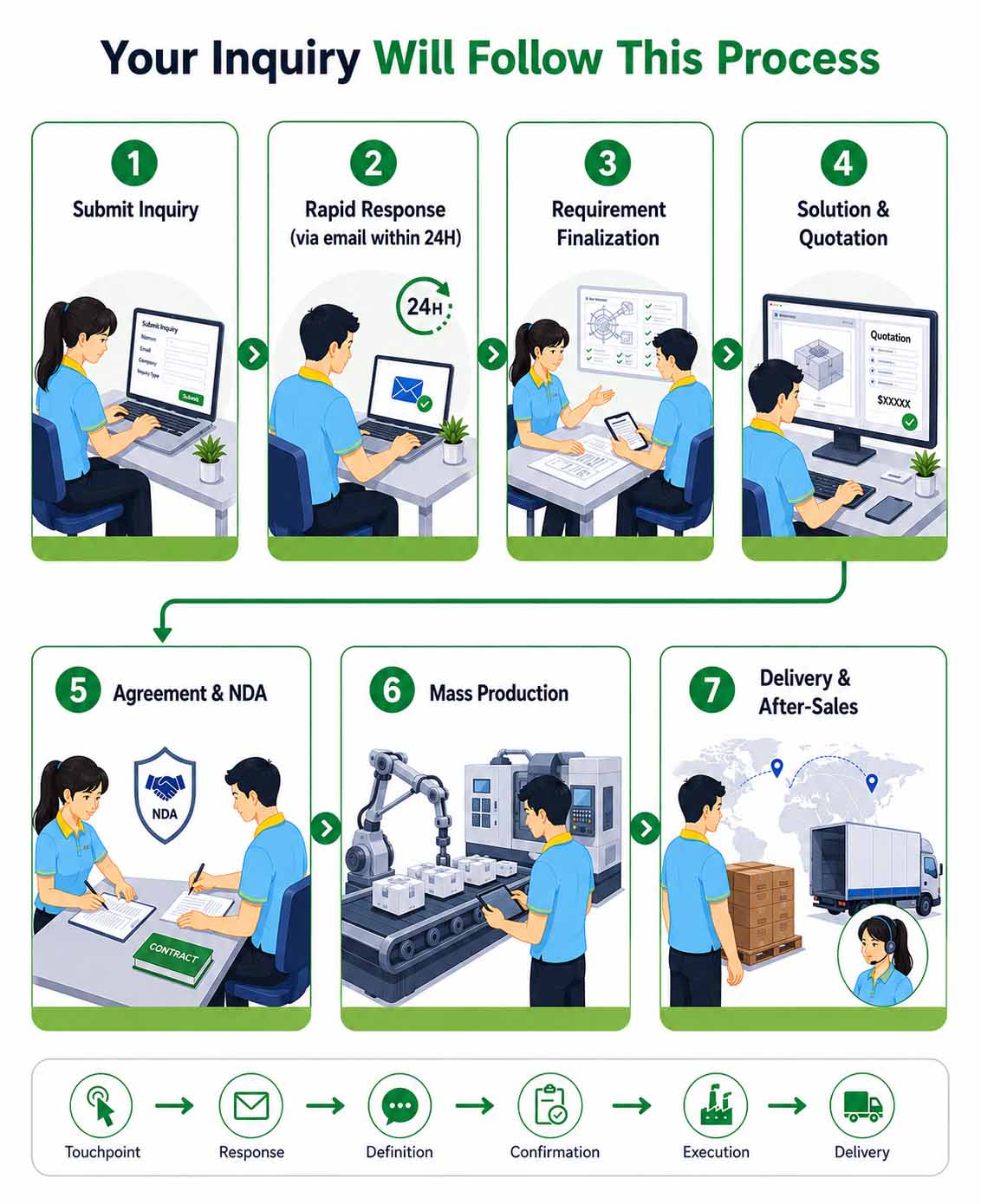
leave a message
If you are interested in our products and want to know more details,please leave a message here,we will reply you as soon as we can.
A packaging box can have the right size, material, and appearance, but it may still fail to protect the product if the internal insert is not designed correctly. For luxury products, the insert is more than a simple support component. It determines how securely the product sits inside the box, how it is presented when the box is opened, and how well the packaging protects the product during transportation and storage.
So, how do you design packaging inserts for different product shapes and sizes? The answer depends on several factors, including product dimensions, weight, shape, fragility, number of items, presentation requirements, and packaging material. A perfume bottle, jewelry set, tea set, commemorative coin, and beauty product may all require completely different insert structures.
For brands developing custom luxury packaging, the best approach is to design the insert together with the product and outer box rather than treating it as an afterthought. MingFeng Packaging provides structural design, material selection, prototyping, and customized production, allowing the internal structure to be developed as part of the complete packaging solution.
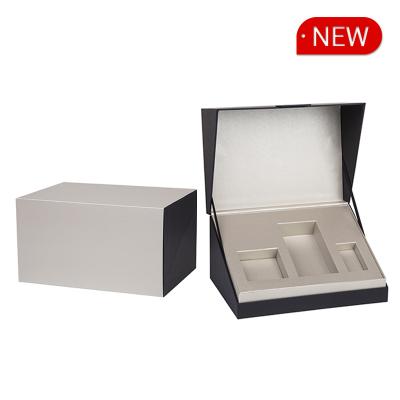
A packaging insert is an internal component placed inside a box or case to position, separate, support, or protect the product. Depending on the application, it can be made from paperboard, EVA, foam, fabric, velvet, molded materials, wood, or other customized materials.
The insert normally performs several functions at the same time. First, it keeps the product from moving excessively inside the box. Second, it creates a defined position for each item. Third, it can protect sensitive surfaces from scratches or impact. Finally, a well-designed insert can improve the visual presentation of the product when the packaging is opened.
For example, MingFeng's luxury perfume packaging uses black EVA and satin to create a secure internal area for the perfume bottle. The insert is designed around the bottle's dimensions so that the product remains stable while still creating a premium presentation. This is a practical example of why packaging inserts need to be designed according to the actual product rather than using a standard universal insert.
For brands looking for different material options, MingFeng's custom product packaging solutions cover multiple packaging materials and applications, making it possible to develop the outer packaging and internal structure as one coordinated design.
Product shape is one of the most important factors in packaging insert design. Two products with the same overall dimensions may still require completely different inserts if their shapes are different.
A rectangular bottle can often use a simple rectangular cavity, while a round perfume bottle may require a circular or contoured opening. A piece of jewelry may need multiple small compartments, while a watch may need a shaped holder that supports both the watch body and strap.
Irregular products require even more attention. If the product has curved surfaces, protruding components, handles, unusual angles, or different thicknesses, the insert needs to follow those physical characteristics. Otherwise, empty spaces can allow the product to move during transportation.
The basic principle is simple: the insert should follow the product, not the other way around. The internal cavity should provide enough support to control movement without creating excessive pressure on sensitive surfaces.
Accurate measurements are essential for custom packaging inserts. A few millimeters can make a noticeable difference, especially for premium packaging where the product needs to sit in a precise position.
Before insert design begins, brands should normally provide the following information:
Whenever possible, supplying a physical product sample or accurate 3D drawing can make the design process more precise. For products with complicated shapes, digital drawings can help packaging engineers understand the exact dimensions and identify potential interference points before sampling.
There is no single insert structure that works for every product. The internal design should be selected according to the product's geometry, protection requirements, and presentation goals.
Round products such as perfume bottles, cosmetic containers, candles, and some food products can move easily if they are placed inside a rectangular box without proper support.
A circular cavity, ring-shaped support, or fitted tray can help keep the product centered. For taller cylindrical products, the insert may also need side support to prevent tilting.
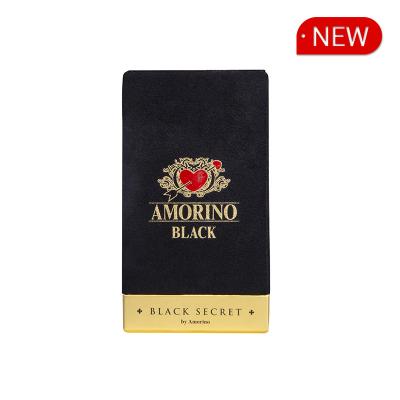
Perfume packaging is a good example. MingFeng's Luxury Black Velvet Perfume Gift Box uses a customized internal structure with black EVA and satin to create a snug fit around the perfume bottle. The design demonstrates how the insert can contribute to both product protection and the luxury appearance of the packaging.
Rectangular products are generally easier to position because their flat surfaces can provide natural support. However, the insert still needs to account for the product's corners, thickness, and orientation.
For beauty products, gift sets, and multiple-product collections, a custom tray with several precisely positioned compartments can create a clean and organized presentation. Each product can have its own designated area, reducing movement while making the contents easy to identify.
MingFeng's paper beauty packaging provides an example of this approach. The box includes a custom-designed inner tray that holds multiple beauty products in defined positions. This type of insert is particularly useful when packaging needs to present several products together as a coordinated set.
Small products such as rings, earrings, pins, coins, and other collectibles usually need more precise internal positioning. A large empty cavity is not appropriate because the product can move freely inside the packaging.
For these applications, the insert can be divided into multiple small compartments or shaped slots. The position, depth, width, and spacing of each cavity should correspond to the individual product.
For jewelry packaging, the insert may include dedicated areas for necklaces, rings, earrings, or bracelets. This approach not only protects the items but also creates a clear presentation when the package is opened.
Brands developing custom jewelry packaging can therefore consider the product layout at the same time as the insert structure. The packaging should make every individual piece easy to see, access, and return to its original position.
Long and narrow products require support along their length. Without enough contact points, the product can shift from side to side or become damaged when the box is moved.
A long cavity, multiple support points, or a shaped channel can help distribute the product's weight. The insert should also consider how the customer will remove the product. A cavity that fits too tightly may protect the product but make the unboxing experience inconvenient.
This is especially important for premium products because packaging needs to balance protection with usability. A well-designed insert should hold the product securely while still allowing the customer to lift it naturally.
Irregular-shaped products are among the most challenging applications for packaging inserts. They may have curves, different heights, unusual edges, or delicate decorative surfaces.
In these cases, the insert should be developed around the actual product geometry. Instead of simply creating a larger cavity, the designer can use multiple support areas to control movement while avoiding unnecessary contact with sensitive surfaces.
This approach is particularly useful for luxury products where the product itself is part of the visual identity. The insert should support the product without hiding the important design elements when the package is opened.
Insert material should be selected according to product weight, fragility, surface sensitivity, visual requirements, sustainability goals, and production quantity.
| Insert Material | Suitable Applications | Main Advantage |
|---|---|---|
| Paperboard | Beauty, gifts, tea, collectibles | Lightweight and customizable |
| EVA | Perfume, jewelry, electronics, fragile products | Cushioning and precise fitting |
| Velvet or Satin | Jewelry, perfume, watches | Premium appearance and soft contact |
| Wood | Wine, watches, premium gifts | Strength and premium positioning |
| Composite Materials | Specialty and high-end packaging | Flexible material combinations |
The choice should not be based on material appearance alone. For example, a soft velvet surface may be appropriate for jewelry, while a more structured EVA insert may be better when a product needs precise positioning and cushioning.
MingFeng works across paper, wood, leather, composite materials, biomass-based materials, and bamboo packaging, allowing insert and outer-box materials to be coordinated according to the product and brand requirements.
Multi-product packaging requires a different approach because the insert must manage several products at the same time. The first step is to decide whether the products should be arranged symmetrically, grouped by function, or presented according to a specific opening sequence.
For example, a skincare gift set may contain a bottle, cream jar, tube, and accessory. Each item has a different shape and size, so the insert needs separate cavities. At the same time, the overall layout should look balanced when the box is opened.
For tea sets, the situation can be even more complex because the packaging may need to hold a teapot, cups, and additional accessories. MingFeng's paper tea packaging uses precisely cut slots to keep different components organized inside the box, demonstrating how internal layout can combine protection with presentation.
A packaging insert is not only a protective component. It is also part of the customer's first physical interaction with the product.
When the box opens, the customer immediately sees how the product is positioned. A well-designed insert can make the product appear centered, organized, and valuable. It can also guide the customer through the opening experience by controlling the order in which products and accessories are revealed.
For luxury packaging, this visual presentation is particularly important. The insert can create contrast between the product and the interior surface, frame the product, and prevent accessories from appearing randomly placed.
MingFeng's packaging portfolio includes paper, wooden, leather, and multi-material solutions for industries such as cosmetics, jewelry, wine and spirits, watches, tea, commemorative coins, food, and electronics. These applications demonstrate why internal packaging design needs to be considered according to both the product and the customer experience.
A common mistake is assuming that more material automatically means better protection. In reality, an oversized or overly complicated insert can increase packaging weight, production cost, storage requirements, and shipping volume without providing meaningful additional protection.
A better approach is to identify the product's actual movement risks and create support only where it is needed. The insert should stabilize the product at critical points while leaving enough clearance for safe removal.
For brands with sustainability goals, material efficiency is also important. Paper-based structures, recycled paper, biomass-based materials, and other material combinations may provide alternatives to conventional plastic-heavy internal packaging, depending on the product's protection requirements.
The goal is not simply to use the least material possible. The goal is to create the right balance between product protection, structural stability, presentation, production feasibility, and material efficiency.
A packaging insert can look correct on a drawing but behave differently after production. This is why prototyping is an important step in custom packaging development.
A physical prototype allows the brand and packaging manufacturer to check whether the product fits correctly, whether it can be removed easily, whether the box closes properly, and whether the insert remains stable during handling.
It can also reveal problems that are difficult to identify from dimensions alone. For example, a product may technically fit inside a cavity but become difficult to remove because the opening is too narrow. Similarly, an insert may provide enough support but interfere with the box lid.
MingFeng's packaging services include structural design and prototyping before mass production, helping brands evaluate design, material selection, structure, and sampling before moving into full-scale manufacturing.
If you are requesting a custom packaging insert, providing complete product information can make the design process faster and more accurate.
For premium packaging projects, it is also useful to explain how the customer should experience the product when opening the box. This helps the packaging team understand whether the insert should prioritize maximum protection, product visibility, easy removal, layered presentation, or a combination of these goals.
Custom packaging insert design works best when structural design, material selection, visual presentation, and manufacturing are considered together. MingFeng Packaging provides creative packaging design, structural design, color management, prototyping, material selection, and customized production as part of its packaging development capabilities.
This integrated approach is particularly useful for products with unusual dimensions or multiple components. Instead of selecting a standard insert first and trying to make the product fit, the internal structure can be developed around the product's actual geometry and the desired customer experience.
For brands developing custom packaging design solutions, the process can include product assessment, structural development, material selection, prototype evaluation, finishing decisions, and production planning. This helps connect the insert with the complete packaging system rather than treating it as an isolated component.
Before approving a custom packaging insert, brands can use the following checklist:
A packaging insert positions and supports the product inside the box. It can reduce movement, provide cushioning, separate multiple items, and improve the presentation of the product.
Start with accurate product dimensions, drawings, or a physical sample. Identify the product's support points and sensitive surfaces, then create a customized cavity or multi-point support structure around the actual product geometry.
There is no single best material. Paperboard can work well for lightweight products and multi-compartment layouts, while EVA, satin, velvet, wood, or composite materials may be more suitable for products requiring cushioning, soft contact, strength, or a premium appearance.
Yes. Custom inserts can be developed for specific product dimensions, shapes, quantities, and orientations. The insert can also be adjusted when a brand has several product sizes that need to share a common packaging system.
Yes. A well-designed insert can improve both protection and presentation. Materials such as velvet, satin, EVA, premium paper, and wood can be combined with customized structures to create a more refined unboxing experience.
A prototype allows you to check product fit, protection, opening and removal, insert stability, and compatibility with the outer box. It can identify structural problems before they become expensive production issues.
Designing packaging inserts for different product shapes and sizes requires more than measuring the product and cutting a cavity. The insert must work together with the product geometry, outer box, material, transportation conditions, and customer experience.
For round products, shaped cavities can improve stability. For jewelry and small products, multiple compartments can create better organization. For perfume bottles and other fragile products, fitted EVA, satin, or other cushioning structures can provide both protection and premium presentation. For irregular products, customized support points are often more effective than oversized cavities.
The most reliable approach is to develop the packaging insert together with the complete packaging structure, test the design through prototyping, and then move into customized production after the fit and presentation have been confirmed.
If your product has a unique shape, multiple components, or specific presentation requirements, MingFeng Packaging can develop the internal structure around your actual product dimensions and packaging goals, helping create a custom packaging solution that balances protection, appearance, usability, and manufacturing requirements.

Mingfeng Packaging(USA)
> 4185 Temple City Blvd,
Unit D,EI Monte,CA91731,USA


 +1 626 369 5099
 IPv6 network supported