

Selecting superior custom tea packaging requires balancing barrier protection, structural durability, and branding positioning. Sensitive loose-leaf tea degrades rapidly when exposed to oxygen, ambient humidity, light, and external odors. You must safeguard delicate aroma and product freshness through precise technical procurement choices. Premium loose leaf tea packaging demands heavy-duty rigid board to prevent physical crushing during transit. Standard tea packaging often fails against severe environmental threats. Therefore, high-end tea packaging solutions integrate secondary airtight seals alongside robust rigid tea boxes. Choosing high-grade packaging preserves product shelf life, protects delicate tea leaves, elevates retail presentation, and reinforces your commercial market authority.
Key Takeaways
-
Heavy-duty rigid tea boxes shield loose tea leaves from crushing during shipping.
-
Airtight inner foil linings block moisture, light, and unwanted odors effectively.
-
Custom box inserts hold tea tins securely to protect them against damage.
-
Foil stamping and soft-touch wraps create an exciting unboxing experience for customers.
-
FSC-certified paperboard and plant-based inks protect the environment without sacrificing quality.
Selecting Structures for Rigid Tea Boxes
Selecting the correct physical format for your tea packaging directly influences customer experience and product protection. Delicate loose-leaf blends require exceptional structural strength to safeguard aromatic compounds against ambient environmental threats. Custom rigid tea boxes provide high durability for long-term storage while displaying premium shelf presence.
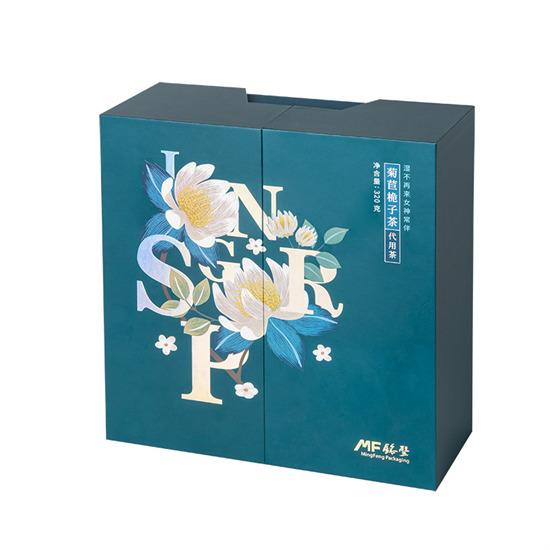
Magnetic Closure and Book-Style Designs
You can elevate brand identity by choosing magnetic closure rigid boxes. These structures feature hidden magnets embedded directly inside heavy chipboard walls. The magnets snap closed firmly, giving consumers a satisfying unboxing experience. This outer format accommodates flat surfaces that display high-resolution printing, metallic foil stamping, and custom graphics. However, embedded magnets increase total material costs and unit shipping weight. Pre-assembled boxes also consume significant warehouse space before fulfillment.
Book-style designs open like a classic hardcover publication. You can pair this layout with custom foam inserts or thermoformed trays to hold secondary tin containers secure.
|
Packaging Format |
Primary Structural Advantage |
Packaging Limitation |
|---|---|---|
|
Magnetic Closure Rigid Box |
Fast, secure magnetic shut mechanisms create high gift value |
Embedded hardware increases assembly expenses and unit shipping weight |
|
Book-Style Rigid Box |
Broad exterior panels maximize branding surfaces for tea packaging design |
Stacking heavy master cartons risks deforming top lid panels |
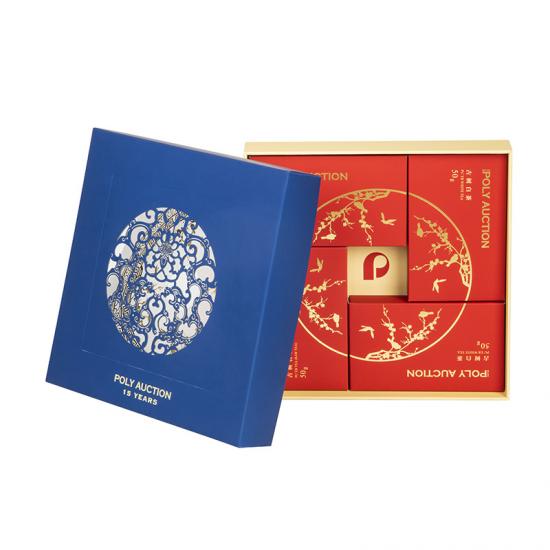
Book-style boxes offer large flat panels across the front, back, and spine. You can apply soft-touch coatings or textured paper wraps onto these paper packaging surfaces. Always evaluate vertical stacking limits in your distribution warehouse. Heavy pallet loads can deform top lid panels when you stack book-style boxes without reinforced outer shipping cartons.
Drawer Boxes and Shoulder-and-Neck Styles
Drawer boxes, also called slide boxes, consist of an outer sleeve and an inner tray. You pull the inner tray outward using a woven ribbon pull or ergonomic thumb notch. This smooth sliding motion creates an interactive gift opening process for specialty tea packaging boxes. You can place secondary resealable pouches or sealed foil bags inside the sliding tray. This setup guarantees leaf freshness while keeping the outer custom shell pristine.
Shoulder-and-neck styles feature three distinct construction pieces: a base board, a lid, and an inner neck section. The middle neck creates a visible reveal line when you close the lid. You can color-match this exposed neck band to complement your graphic color palette.
-
Airtight sealing prevents external air from entering the custom box, stopping leaf oxidation.
-
Foil linings inside act as an additional barrier against moisture and oxygen, protecting fragile aroma compounds.
-
Proper closure mechanisms ensure the seal remains intact after each opening, maintaining quality over repeated use.
A precision neck design allows a smooth crack-open lid release. The tight fit creates an atmospheric push of air upon opening, signaling superior manufacturing standards to your retail buyers.
Rigid tea boxes easily integrate internal paperboard dividers for multi-tin gift sets. You can arrange different herbal blends neatly inside a single gift package. Implementing loose leaf tea packaging requires proper physical defense alongside airtight inner barriers. Purchasing high-grade tea packaging boxes protects delicate goods during transit. These heavy tea packaging boxes defend fragile leaves against impact damage. Furthermore, adopting a standardized tea box packaging layout optimizes supply chain efficiency. Modern packaging choices secure product stability, boost display appeal, and enhance retail margins. Choosing robust tea packaging elevates your brand reputation across global wholesale markets while streamlining retail operations.
Custom Tea Packaging Barrier Performance
You must select primary materials that safeguard delicate product qualities. Decorative outer packaging structures need functional inner layers to preserve tea stability during extended distribution cycles.
Food-Safe Linings and Board Density
Your choice of core box materials dictates structural integrity. High-density greyboard provides the necessary compressive strength for heavy stacking loads.
-
For custom sets holding contents from 500 g to 2 kg, you must specify a minimum greyboard specification of 1,200 gsm to prevent base sag under load.
-
For heavier item sets above 3 kg, you need 1,800–2,000 gsm greyboard or a composite honeycomb insert.
-
The greyboard core features 100% recycled paper pulp with a bulk density of 0.75–0.85 g/cm³.
Greyboard density provides physical strength, but it does not supply barrier performance directly. You must integrate food-grade inner liners to protect tea leaves from environmental hazards. Wrapping rigid tea boxes in custom textured paper wrap creates tactile luxury. Selecting durable custom paper packaging box wraps enhances structural rigidity.
Loose-leaf products absorb surrounding ambient smells easily. Your merchandise faces constant exposure to external scents like spices, fragrances, and cleaning chemicals. A decorative paper carton alone cannot block scent transmission. You must combine physical rigidity with an inner food-contact package to prevent odor transfer. Sealed pouches or food-grade linings inside your tea packaging boxes maintain complete product purity. Selecting proper custom tea packaging guarantees that your product maintains exceptional quality standards across retail shelves. High-quality tea packaging relies on robust physical walls alongside hermetic inner barriers.
Moisture, Light, and Odor Protection
Volatile compounds deliver signature flavor profiles. Moisture, light, and oxygen degrade sensitive polyphenols and terpenes rapidly. You need advanced multi-layer barrier films inside your box to preserve aroma and freshness.
Aluminized BOPET film achieves superior dual protection through vacuum metallization. This technical process deposits a thin aluminum layer onto the BOPET base. The mirror-like reflective surface blocks harmful UV rays, stopping photodegradation. Meanwhile, the tight metallized structure delivers very low oxygen transmission rates and low water vapor transmission rates. This impermeable barrier seals in volatile scent molecules and prevents oxygen ingress. The strong BOPET layer provides mechanical strength to ensure that barrier layers stay intact throughout transit.
|
Film Structure |
Odor/Aroma Protection |
UV Light Protection |
|---|---|---|
|
PET/ALU/PE (ALU-Foil Laminate) |
Near-zero OTR (Oxygen Transmission Rate) blocks odor-causing oxygen ingress |
Total opacity against UV rays |
|
MOPP/VMPET/PE (VMPET Composite) |
Excellent moisture resistance (indirectly preserves aroma by preventing humidity-induced degradation) |
High-gloss metallic finish reflects light (inherent UV barrier) |
You must choose specialized tea packaging materials to defeat atmospheric risks. Inner composite films deliver primary barrier protection, while custom outer rigid tea packaging boxes provide impact resistance. Proper secondary foil pouches stop moisture absorption and stabilize internal humidity levels. You shield fragile leaves from physical crushing by specifying heavy rigid walls. Premium loose leaf tea packaging uses these combined technologies to maximize retail shelf life. Using superior tea packaging boxes reinforces product safety and enhances customer satisfaction. Optimized packaging design ensures consistent brand presentation across global consumer markets.
Custom Inserts for Tea Packaging Boxes
Custom inserts absorb shocks, prevent movement, and maintain product integrity during transit. You must select insert materials that protect your primary containers while elevating the overall premium unboxing experience.
EVA Foam and Molded Pulp Fitment
High-end tea packaging relies on custom fitments to hold delicate tins firmly in place. Ethylene-Vinyl Acetate (EVA) foam and molded pulp represent two primary choices for structural cushioning. EVA foam provides a clean presentation with custom-cut precision for specialty gift sets. You can cover the foam surface with velvet or paper to enhance gift appeal. Conversely, molded pulp uses recycled paper fibers to offer an eco-friendly alternative for sustainable tea packaging.
|
Attribute |
EVA Foam Insert |
Molded Pulp Insert |
|---|---|---|
|
Primary Advantage |
Excellent product fixing and presentation |
Eco-friendly alternative |
|
Cushioning & Protection |
Good cushioning performance for fragile products |
Moderate cushioning protection |
|
Customization & Fit |
Custom-cut for precise fit |
Custom molded shape |
|
Environmental Impact |
Less eco-friendly material |
Recyclable material from recycled paper |
EVA foam suits luxury gift boxes that require precise positioning. Molded pulp reduces plastic use while maintaining structural defense in modern tea packaging. Both materials prevent shifting inside your custom rigid tea boxes during long distribution cycles.
Cardboard Dividers for Multi-Tin Sets
Multi-tin gift packages require structured internal separation. Cardboard box divider inserts split internal space into individual compartments inside tea packaging boxes. Using thick paperboard creates a sturdy, non-collapsible structure. This compartmentalization stops individual tins from colliding during shipment, protecting outer finishes against scratches.
Folding carton box divider inserts offer a lightweight method to organize multiple blends inside one rigid tea packaging box. You can use natural kraft corrugated inserts or paperboard inserts to secure items for commercial tea packaging. These custom dividers improve layout presentation for retail gift buyers. Paper packaging box structures with custom inserts maintain exceptional product stability during transport. Using rigid chipboard divider inserts ensures consistent quality across all tea packaging boxes. Choosing engineered cardboard dividers optimizes your overall tea box packaging strategy.
Elevating Brands with Premium Finishes
Foil Stamping and Textured Paper Wrap
You can elevate outer aesthetics by choosing specialized surface embellishments for your custom packaging choices. Strategic finishing techniques build visual contrast, capture shopper attention, and communicate premium positioning on retail shelves. Research from Ipsos shows that packaging design influences purchase decisions for 72% of Americans, rising to 81% for gift purchases. Adding silver metallic foil creates a striking gift look for artisan tea products. Manufacturers like Mingfengpack apply foil stamping over matte lamination to differentiate your brand against standard store items.
Combining soft-touch paper wraps with precise debossing delivers tactile luxury during customer interactions. Applying specialized dies creates a 3D effect that highlights logos, strengthens branding, and helps increase perceived value for high-end gift sets. Limiting foil accents to 10–20% of the paper packaging box surface reduces foil material expenses while maintaining gift appeal. According to a 2023 Nielsen report, 65% of consumers consider tea packaging design important when choosing specialty goods. Choosing subtle metallic details over textured wraps transforms ordinary tea packaging into gift-worthy keepsakes that unlock memorable premium unboxing experiences while delivering a premium presentation.
FSC-Certified Board and Eco-Friendly Inks
Eco-conscious production methods enhance your brand reputation among modern shoppers. You can specify Forest Stewardship Council certified chipboard to ensure sustainable wood fiber sourcing across your custom supply chain. Certified paperboard options include FSC 100%, FSC Mix, and FSC Recycled labels. Using FSC Mix guarantees responsible forest management alongside verified recycled pulp content. Partnering with Mingfengpack allows you to procure certified custom rigid tea boxes that align with global packaging standards without sacrificing structural quality.
Modern custom tea packaging also requires eco-friendly printing inks to support circular recycling streams. Vegetable and soy-based inks contain lower volatile organic compound emissions compared to traditional petroleum alternatives. These plant-based inks detach cleanly during paper repulping, preserving recycled fiber brightness and overall material quality. Selecting low-migration water-based inks protects organic tea blends from chemical transfer while maintaining color accuracy. Incorporating FSC board with custom soy inks establishes true environmental sustainability while delivering superior gift aesthetics for all your commercial tea packaging boxes.
Procuring effective loose leaf tea packaging requires a balanced design approach. You must unify structural integrity, moisture barriers, precise custom inserts, and premium surface finishes. These combined elements protect product quality while building exceptional gift appeal on retail shelves.
Take decisive action to optimize your commercial packaging strategy today. First, request physical packaging samples from qualified manufacturers. Next, initiate structural prototyping to verify exact container dimensions. Finally, execute rigorous oxygen barrier testing on final tea packaging assemblies. You can elevate your brand packaging positioning immediately. Evaluate your custom rigid tea boxes specifications now to deliver an unforgettable gift experience for every tea enthusiast.
FAQ
What greyboard density should you select for custom rigid tea boxes?
You must select board density based on total package weight. Specify a minimum 1,200 gsm greyboard for sets weighing up to 2 kg. For sets exceeding 3 kg, choose 1,800 to 2,000 gsm board. This heavy paper packaging box structure prevents base sag under heavy stacking loads.
How does high-end tea packaging safeguard delicate leaves against environmental risks?
Superior tea packaging combines dense outer walls with hermetic inner liners. Multi-layer barrier films block ambient humidity, oxygen, UV light, and odor transfer. Adding aluminized BOPET or foil linings preserves volatile terpenes, safeguards leaf freshness, and extends product shelf life across demanding commercial fulfillment networks.
Which structural formats suit loose leaf tea packaging gift sets?
Magnetic closure boxes, drawer boxes, and shoulder-and-neck formats deliver exceptional structural defense. These formats accommodate tailored foam fitment or cardboard dividers. You can pair a rigid tea packaging box with secondary sealed pouches to present your loose leaf tea packaging cleanly while building an impressive gift unboxing presentation.
How can you optimize your tea packaging design while controlling manufacturing costs?
You should limit metallic foil accents to 10–20% of your box surface. Combining targeted foil stamping with textured paper wraps builds strong visual contrast. Strategic embellishments maximize gift appeal, increase perceived market value, and optimize overall custom packaging expenses during procurement.
Why should brand managers specify FSC-certified board for luxury tea packaging boxes?
FSC-certified board ensures responsible fiber sourcing across your supply chain. You can choose FSC Mix paperboard alongside soy-based inks. These sustainable options protect organic tea blends from chemical migration, support circular recycling streams, and deliver exceptional gift presentation across all your commercial tea packaging boxes.

 +1 626 369 5099


 IPv6 network supported